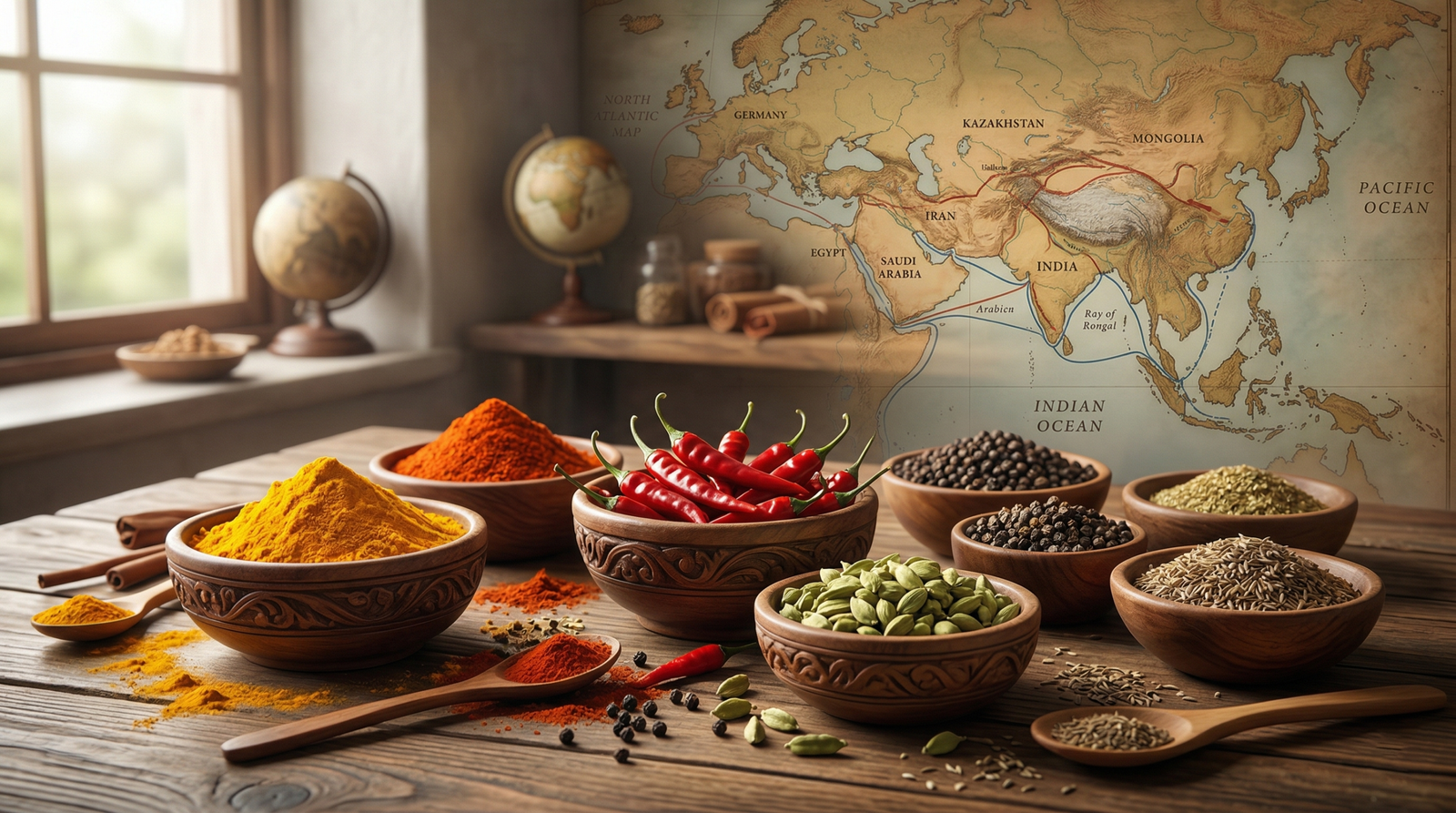
How to Import Spices from India: Complete Guide for Buyers
Introduction: Why Import Spices from India?
If you’ve ever tasted authentic Indian cuisine, you already know the magic lies in its spices. India is globally recognized as the largest producer, consumer, and exporter of spices, offering unmatched diversity, aroma, and quality. From turmeric and cumin to cardamom and black pepper, Indian spices dominate kitchens and industries worldwide.
For global buyers, importing spices from India is not just a business decision—it’s an opportunity to tap into a rich agricultural heritage, competitive pricing, and premium quality products. However, navigating the import process can seem complex if you’re new to it.
In this comprehensive guide, we’ll walk you through everything you need to know—from sourcing reliable suppliers to handling logistics and ensuring compliance—so you can confidently import spices from India.
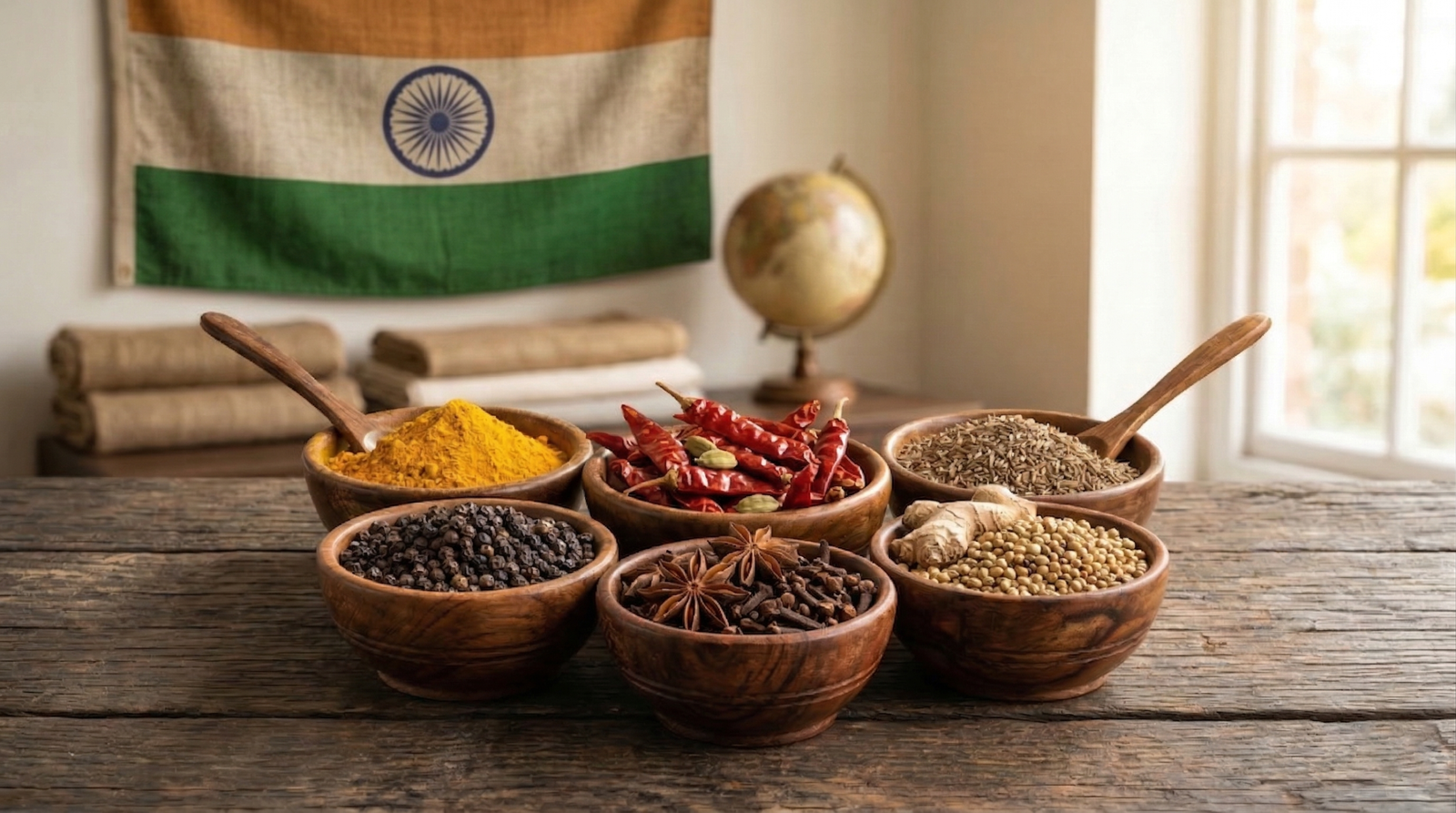
1. Understanding the Global Spice Market
Before diving into importing, it’s essential to understand the market dynamics.
Key Highlights:
- India contributes to over 75% of global spice varieties
- High demand for organic and sustainably sourced spices
- Increasing use in food, cosmetics, pharmaceuticals, and wellness industries
The growing popularity of natural and organic products has made Indian spices even more valuable in international markets.
2. Popular Spices Exported from India
India exports a wide range of spices. Some of the most sought-after include:
- Turmeric (Haldi) – Known for its medicinal properties
- Black Pepper – Often called the “King of Spices”
- Cardamom – Premium spice with high export value
- Cumin Seeds – Widely used in global cuisines
- Coriander Seeds
- Red Chili Powder
- Cloves and Cinnamon
Each spice has specific grades and qualities, so understanding your target market is crucial.
3. Identifying Your Import Requirements
Before contacting suppliers, define your needs clearly.
Ask Yourself:
- What type of spice do you need?
- Whole spices or powdered?
- Organic or conventional?
- Required quantity and frequency?
- Target market regulations?
Having clarity will help you negotiate better and avoid costly mistakes.
4. Finding Reliable Spice Suppliers in India
Choosing the right supplier is one of the most critical steps.
Where to Find Suppliers:
- B2B platforms like Alibaba, IndiaMART, TradeIndia
- Export promotion councils
- Trade fairs and exhibitions
- Direct visits to spice-producing regions
Qualities of a Good Supplier:
- Verified certifications
- Transparent communication
- Consistent quality standards
- Competitive pricing
Always request samples before placing bulk orders.
5. Checking Certifications and Quality Standards
Quality is non-negotiable when importing spices.
Important Certifications:
- FSSAI (Food Safety and Standards Authority of India)
- ISO Certification
- HACCP (Hazard Analysis Critical Control Point)
- Organic Certifications (USDA Organic, EU Organic)
Ensure the supplier meets your country’s import standards to avoid rejection at customs.
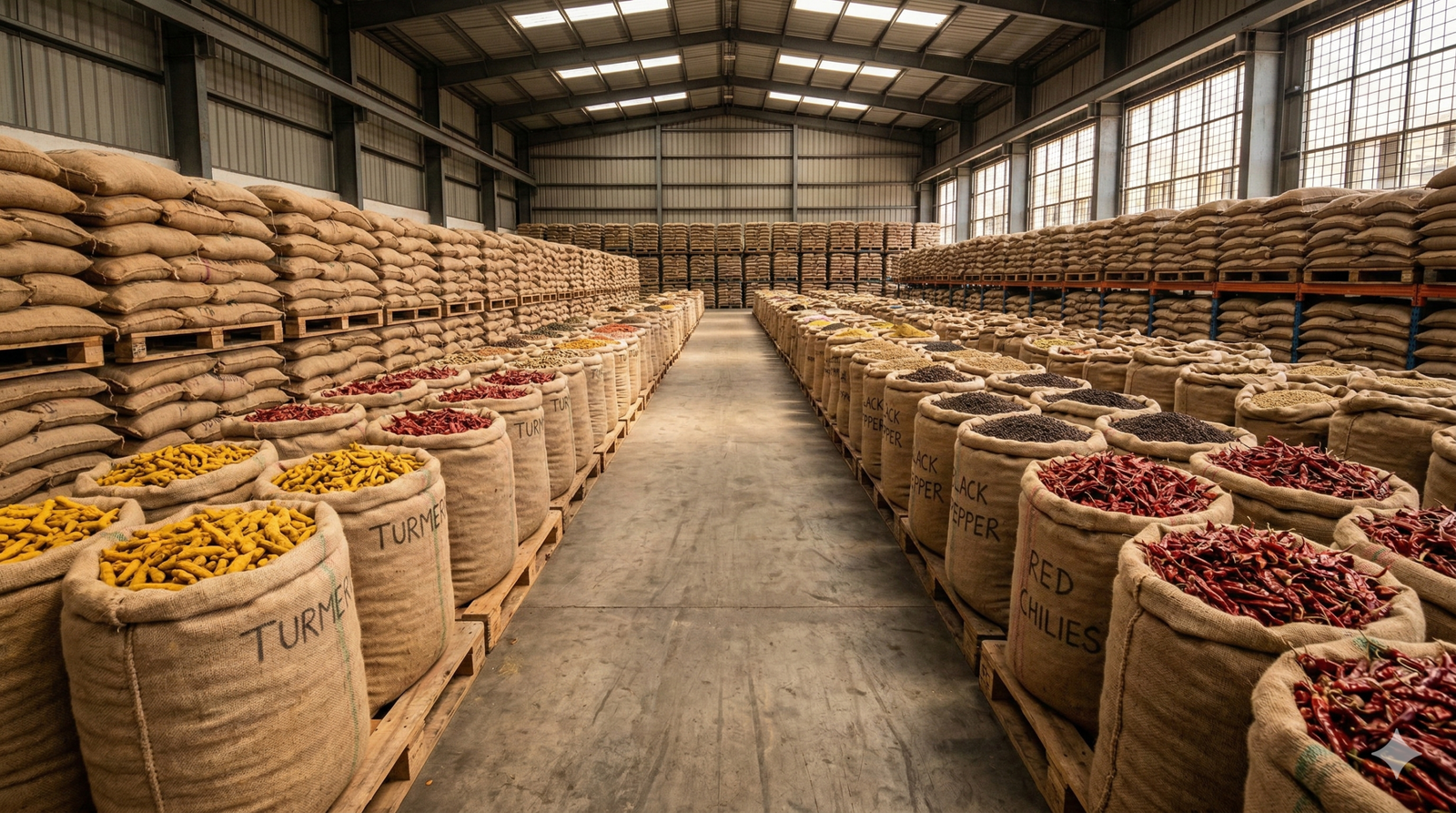
6. Understanding Spice Grades and Quality Testing
Spices vary significantly in quality based on origin, processing, and storage.
Key Quality Parameters:
- Color and aroma
- Moisture content
- Purity (free from adulteration)
- Size and appearance
Testing Methods:
- Laboratory analysis
- Physical inspection
- Third-party quality checks
Investing in quality testing ensures customer satisfaction and brand reputation.
7. Pricing and Negotiation Strategies
Spice pricing depends on several factors:
- Crop yield and seasonal variations
- Global demand and supply
- Quality grade
- Packaging and processing
Tips for Better Deals:
- Compare multiple suppliers
- Negotiate bulk discounts
- Lock prices for long-term contracts
- Understand Incoterms (FOB, CIF, EXW)
Smart negotiation can significantly improve your profit margins.
8. Documentation Required for Importing Spices
Proper documentation is essential for smooth import operations.
Key Documents Include:
- Commercial Invoice
- Packing List
- Bill of Lading or Airway Bill
- Certificate of Origin
- Phytosanitary Certificate
- Import License (if required)
Missing or incorrect documents can lead to delays or penalties.
9. Shipping and Logistics: Choosing the Right Method
Transporting spices requires careful planning to maintain freshness and quality.
Shipping Options:
1. Sea Freight
- Cost-effective for bulk shipments
- Longer transit time
2. Air Freight
- Faster delivery
- Higher cost
Packaging Considerations:
- Moisture-proof packaging
- Vacuum sealing for premium spices
- Food-grade materials
Proper logistics ensure your spices arrive in perfect condition.
10. Customs Clearance and Import Regulations
Every country has its own import rules.
Key Steps:
- Submit required documents
- Pay customs duties and taxes
- Comply with food safety regulations
- Undergo inspection if required
Hiring a customs broker can simplify this process significantly.
11. Storage and Handling After Import
Once your spices arrive, proper storage is crucial.
Best Practices:
- Store in a cool, dry place
- Avoid direct sunlight
- Use airtight containers
- Monitor humidity levels
Poor storage can lead to loss of aroma, flavor, and shelf life.
12. Building Long-Term Supplier Relationships
Successful import businesses rely on strong partnerships.
How to Build Trust:
- Maintain clear communication
- Pay on time
- Provide feedback
- Visit suppliers if possible
Long-term relationships often lead to better pricing and priority service.
13. Risks and Challenges in Spice Importing
While profitable, importing spices comes with risks.
Common Challenges:
- Quality inconsistencies
- Delays in shipment
- Regulatory changes
- Currency fluctuations
How to Mitigate Risks:
- Work with trusted suppliers
- Use contracts and agreements
- Insure shipments
- Diversify sourcing
Preparation is key to minimizing disruptions.
14. Tips for First-Time Importers
If you’re new to importing, start small and scale gradually.
Beginner Tips:
- Order small quantities initially
- Test market demand
- Learn import regulations thoroughly
- Work with experienced logistics partners
This approach reduces risk while helping you gain experience.
15. Future Trends in the Spice Import Business
The spice industry is evolving rapidly.
Emerging Trends:
- Increased demand for organic spices
- Growth in private labeling
- Digital sourcing platforms
- Sustainable and ethical sourcing
Staying ahead of these trends can give you a competitive advantage.
Conclusion
Importing spices from India is a highly rewarding venture if done correctly. With its vast variety, superior quality, and competitive pricing, India remains the top destination for global spice buyers. However, success depends on careful planning, reliable sourcing, strict quality control, and efficient logistics.
By following this complete step-by-step guide, you can confidently navigate the complexities of spice importing and build a profitable business. Whether you’re a small entrepreneur or a large distributor, the key lies in consistency, compliance, and strong supplier relationships.
Start small, learn continuously, and soon you’ll be part of the thriving global spice trade—bringing the rich flavors of India to the world.