Export Process from India Explained: From Sourcing to Shipment Delivery
Understanding the export process from India explained step by step is essential for global buyers, importers, and businesses looking to source products efficiently. India has become a major hub for exporting goods ranging from textiles and spices to machinery and packaged foods. However, navigating the export journey requires clarity on each stage—from sourcing to final delivery.
In this comprehensive guide, we break down the export process from India explained step by step so you can confidently manage international trade operations while minimizing risks and maximizing efficiency.
Why India Is a Global Export Hub
India’s export sector is booming due to its diverse manufacturing capabilities and cost advantages. Businesses worldwide prefer India because of:
- Competitive pricing
- Skilled labor
- Wide product variety
- Strong logistics network
This makes understanding the export process from India explained step by step even more valuable for importers aiming to tap into this market.
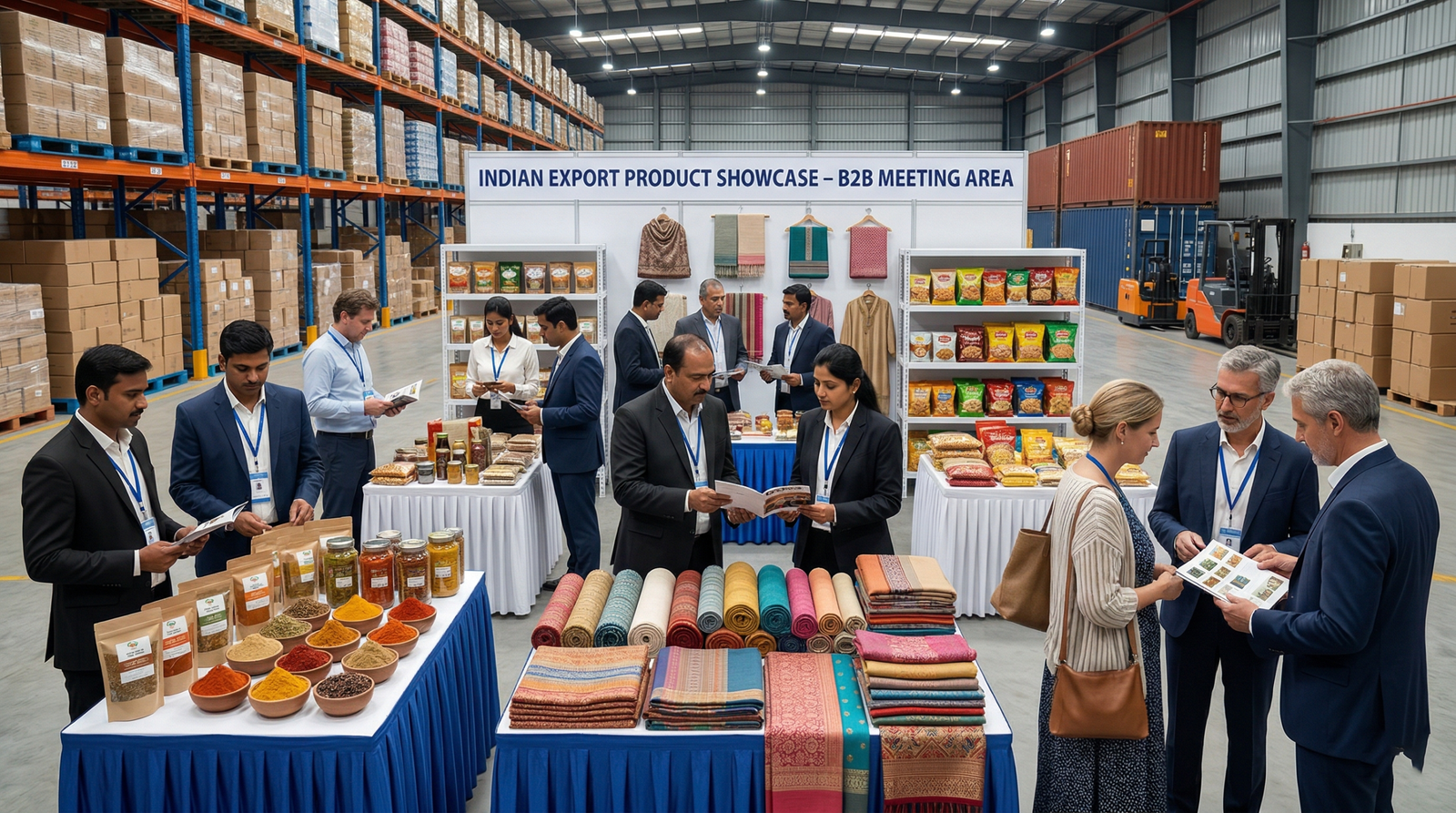
Step 1: Product Sourcing and Supplier Selection
The first stage in the export process from India explained step by step is sourcing the right products and suppliers.
How to Source Products
- Identify reliable manufacturers or exporters
- Verify certifications and export experience
- Request product samples
- Compare pricing and quality
Tips for Choosing Suppliers
- Check export licenses
- Evaluate production capacity
- Look for consistent communication
Selecting the right supplier lays the foundation for a successful export process from India explained step by step.
Step 2: Product Finalization and Quality Check
Once a supplier is selected, the next stage in the export process from India explained step by step involves finalizing product specifications.
Key Activities
- Confirm product design and specifications
- Approve samples
- Conduct quality inspections
Importance of Quality Control
Maintaining consistent quality ensures customer satisfaction and reduces the risk of shipment rejection.
Step 3: Pricing and Contract Agreement
A crucial part of the export process from India explained step by step is negotiating pricing and formalizing agreements.
Elements of a Contract
- Product price
- Payment terms (advance, LC, etc.)
- Delivery timeline
- Incoterms (FOB, CIF, EXW)
Clear agreements prevent misunderstandings and ensure smooth transactions.
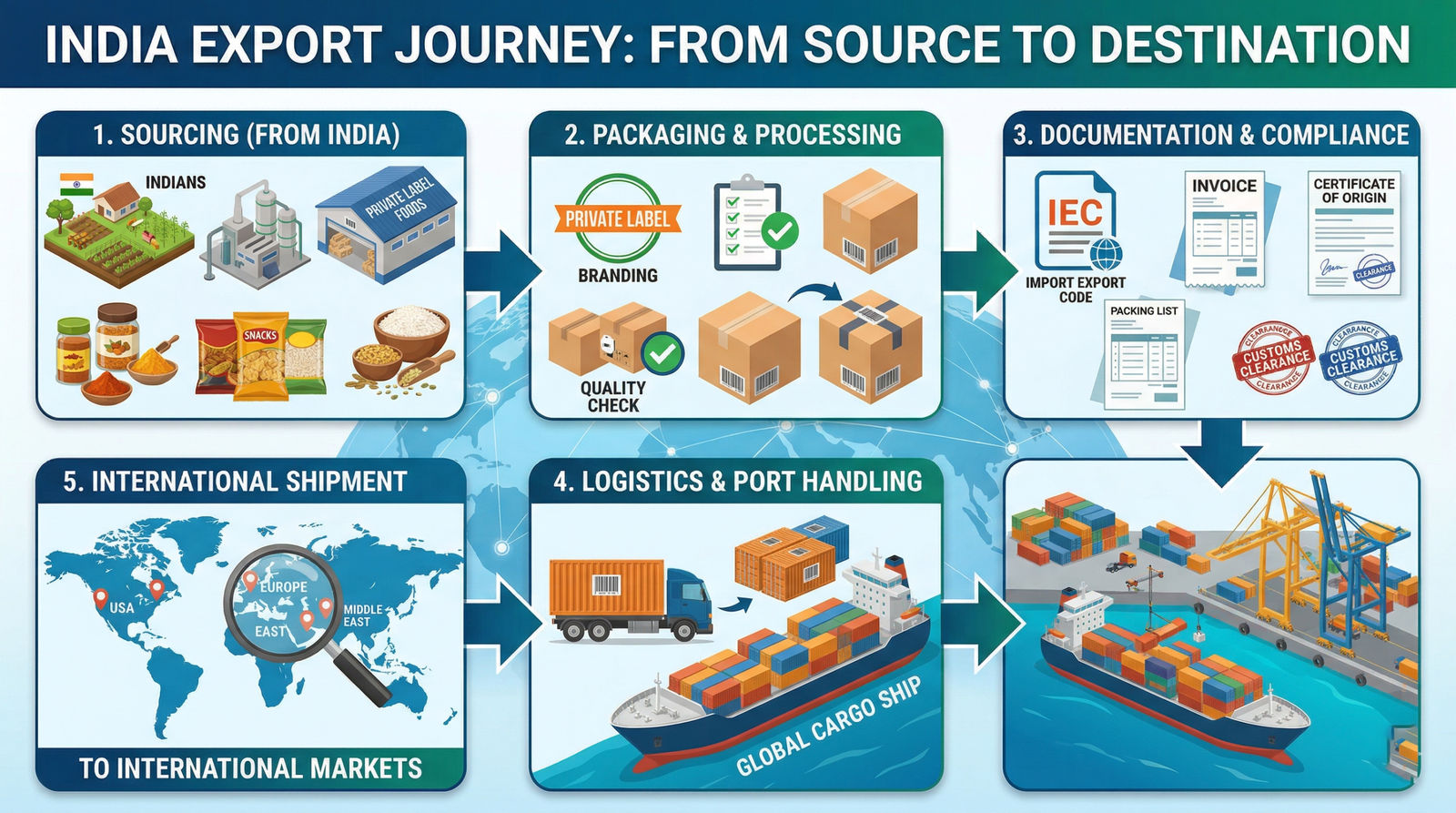
Step 4: Packaging and Labeling
Proper packaging is essential in the export process from India explained step by step to protect goods during transit.
Packaging Requirements
- Durable export-grade materials
- Moisture protection
- Tamper-proof sealing
Labeling Essentials
- Product details
- Country of origin
- Handling instructions
- Barcodes
Good packaging enhances brand image and ensures compliance with international standards.
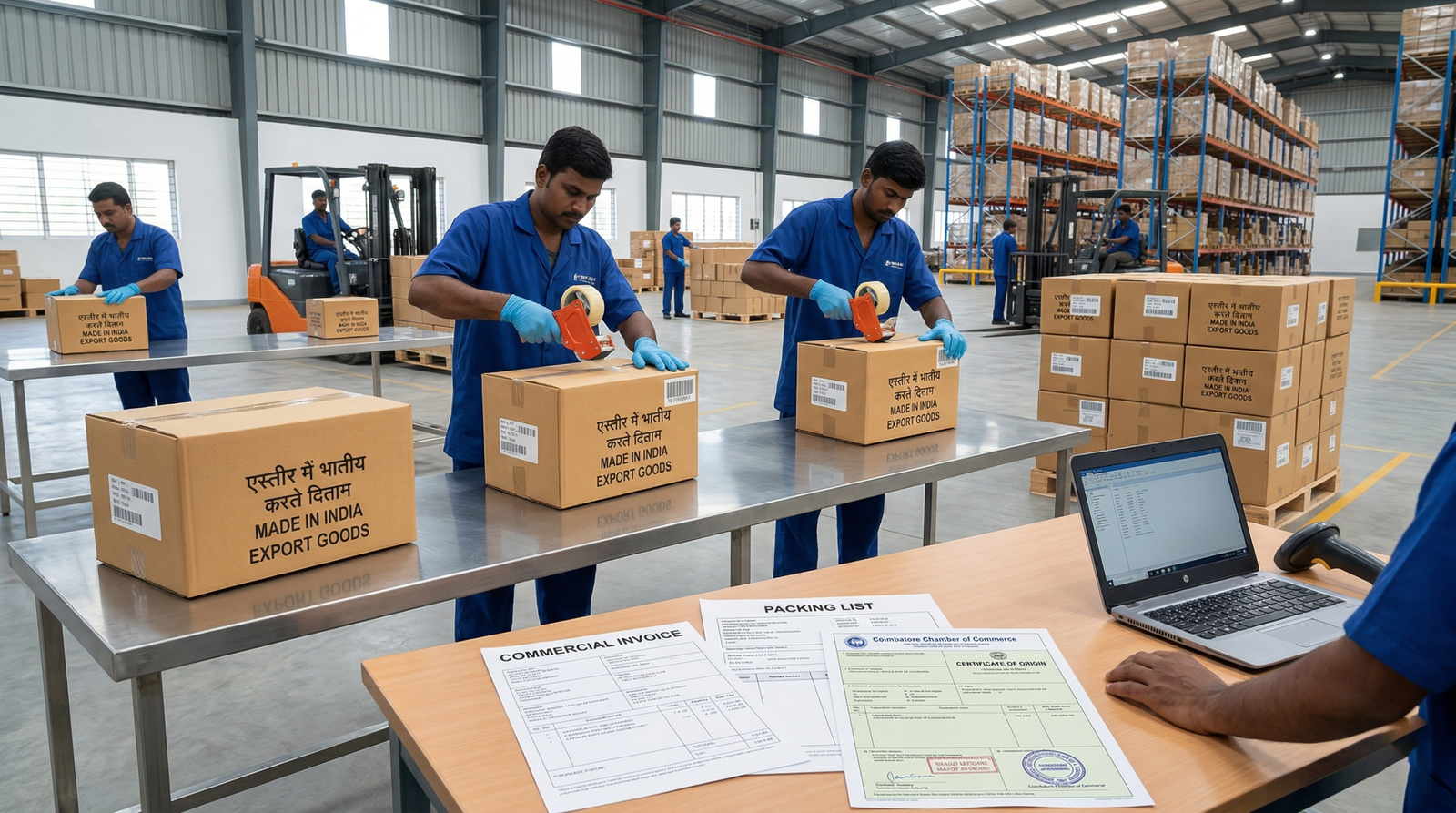
Step 5: Export Documentation
Documentation is one of the most critical stages in the export process from India explained step by step.
Key Documents Required
- Commercial Invoice
- Packing List
- Bill of Lading / Airway Bill
- Certificate of Origin
- Export License (if applicable)
Incomplete or incorrect documentation can delay shipments or lead to penalties.
Step 6: Customs Clearance in India
Before goods leave the country, they must pass through customs. This is a vital part of the export process from India explained step by step.
Customs Procedures
- Filing shipping bill
- Inspection (if required)
- Duty assessment
Working with a customs broker can simplify this stage.
Step 7: Freight Forwarding and Logistics
Logistics plays a key role in the export process from India explained step by step.
Shipping Options
- Sea freight (cost-effective for bulk)
- Air freight (faster but expensive)
Role of Freight Forwarders
- Booking cargo space
- Coordinating shipments
- Managing documentation
Choosing the right logistics partner ensures timely delivery.
Step 8: Shipment and Tracking
Once shipped, tracking becomes essential in the export process from India explained step by step.
Tracking Methods
- Shipping line tracking systems
- Freight forwarder updates
- Real-time logistics platforms
This helps importers stay informed and plan inventory accordingly.
Step 9: Import Customs Clearance
Upon arrival, goods must clear customs in the destination country. This stage completes the export process from India explained step by step.
Requirements
- Import duties and taxes
- Local compliance checks
- Documentation verification
Delays at this stage can impact delivery timelines, so preparation is key.
Step 10: Final Delivery to Buyer
The last stage in the export process from India explained step by step is delivery to the buyer’s warehouse or retail location.
Delivery Options
- Door-to-door delivery
- Port-to-warehouse transport
Efficient last-mile delivery ensures customer satisfaction and repeat business.
Common Challenges in the Export Process
Even with a clear understanding of the export process from India explained step by step, challenges may arise.
Typical Issues
- Delayed shipments
- Documentation errors
- Quality inconsistencies
- Communication gaps
How to Overcome Them
- Work with experienced partners
- Maintain clear communication
- Plan for contingencies
Best Practices for Smooth Export Operations
To optimize the export process from India explained step by step, follow these best practices:
- Build long-term supplier relationships
- Use professional logistics providers
- Stay updated on trade regulations
- Invest in quality assurance
Consistency and planning are key to successful exports.
Future of Exports from India
India’s export sector continues to grow, driven by:
- Government initiatives
- Improved infrastructure
- Rising global demand
This makes mastering the export process from India explained step by step even more valuable for businesses aiming to expand globally.
Conclusion
The export process from India explained step by step provides a clear roadmap for businesses looking to engage in international trade. From sourcing and packaging to documentation and final delivery, each stage plays a critical role in ensuring success.
By understanding and implementing each step effectively, importers and exporters can reduce risks, improve efficiency, and build strong global supply chains. With India’s growing prominence in global trade, now is the perfect time to leverage its export potential and scale your business internationally.