Private Label Food Products: Opportunities for Global Importers
In today’s highly competitive global marketplace, businesses are constantly seeking ways to differentiate themselves, improve margins, and build lasting brand loyalty. One of the most powerful strategies gaining momentum is private labeling, especially in the food industry. For global importers, private label food products present a compelling opportunity to create unique brand identities while leveraging cost-effective manufacturing solutions.
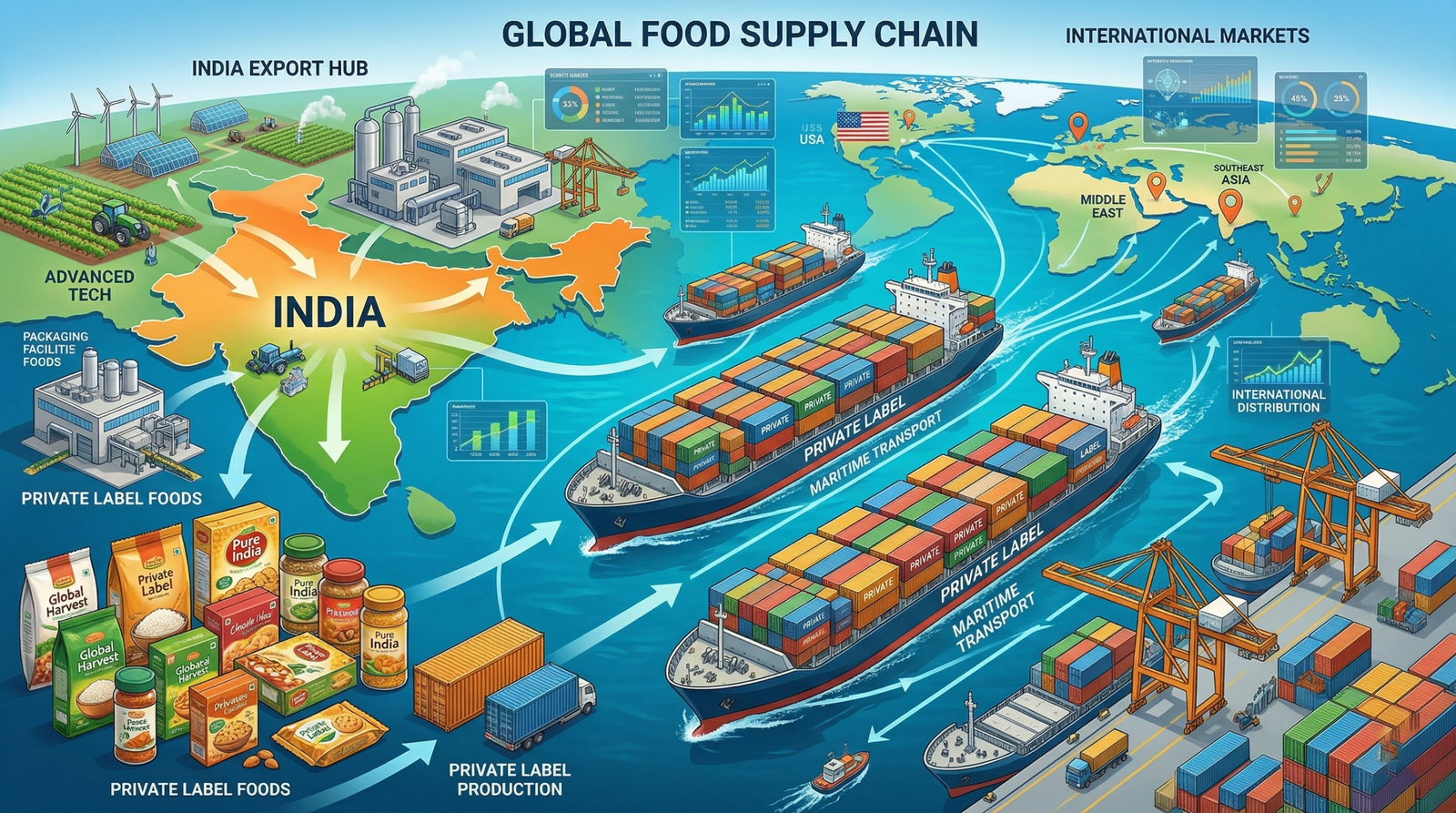
India, with its diverse agricultural base, established food processing sector, and competitive pricing, has emerged as a key player in this space. Importers worldwide are increasingly turning to Indian manufacturers to source high-quality food products that can be rebranded and sold under their own labels.
This article explores the immense opportunities that private label food products offer to global importers, with a focus on sourcing from India, key benefits, challenges, and strategies for success.
What Are Private Label Food Products?
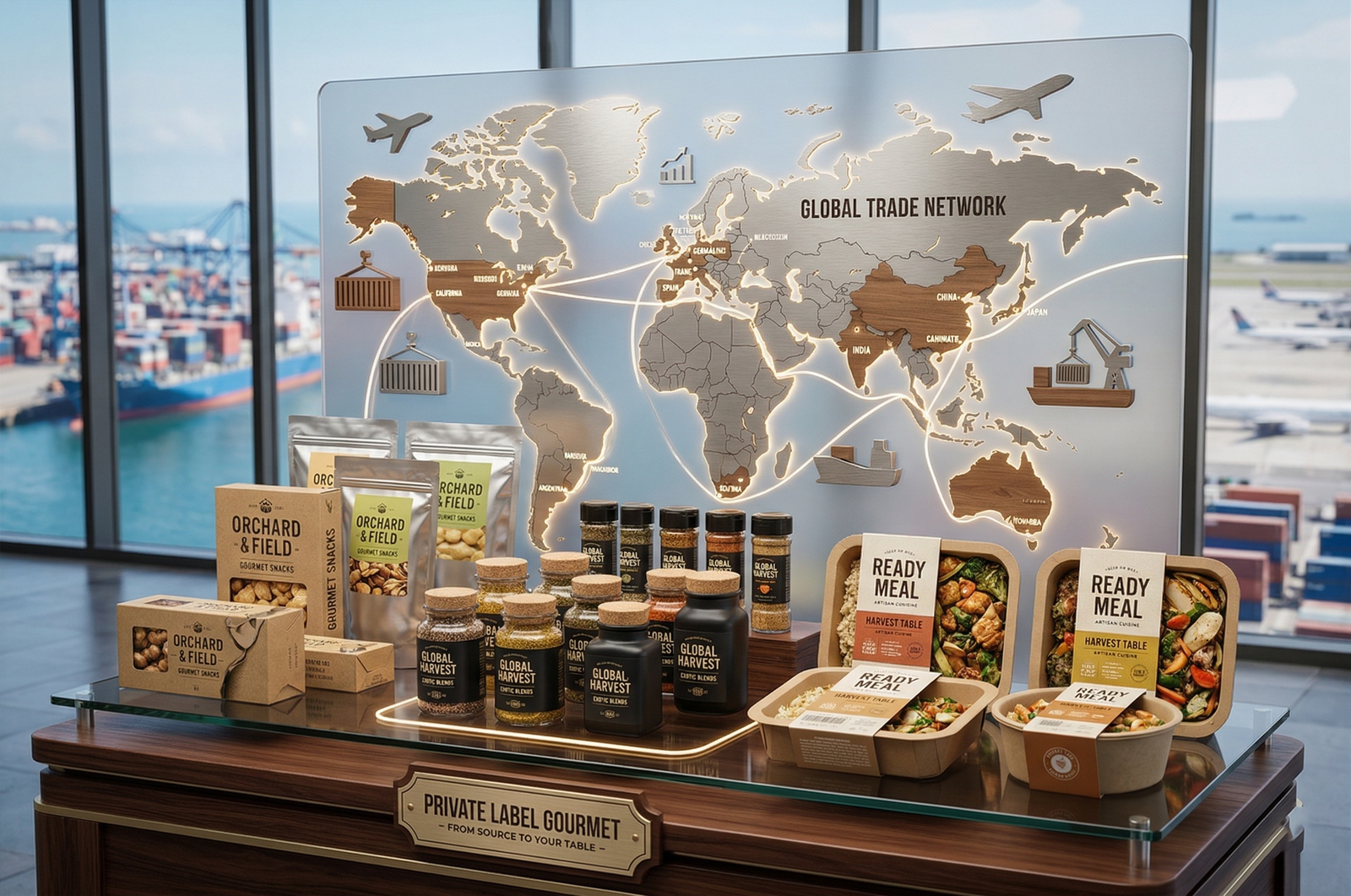
Private label food products are goods manufactured by one company but sold under another company’s brand name. Unlike traditional retail models where branded products dominate shelves, private label items allow businesses to control branding, pricing, and marketing.
Examples include:
- Packaged spices sold under supermarket brands
- Organic snacks branded by boutique health stores
- Ready-to-eat meals marketed by online grocery platforms
In essence, the importer or retailer owns the brand, while the manufacturer handles production.
Why Private Labeling Is Booming Globally
The global food industry has witnessed a significant shift in consumer behavior over the past decade. Customers are no longer solely loyal to big-name brands; instead, they prioritize quality, price, and trust.
Key Drivers of Growth
- Cost-conscious consumers seeking affordable alternatives
- Retailers aiming for higher margins
- E-commerce growth, enabling niche brands to flourish
- Demand for unique and localized products
Private labeling allows importers to capitalize on all these trends while maintaining full control over their product lines.
Why India Is a Preferred Sourcing Hub
India stands out as one of the most attractive destinations for sourcing private label food products. Its strengths lie in a combination of natural resources, manufacturing capabilities, and export expertise.
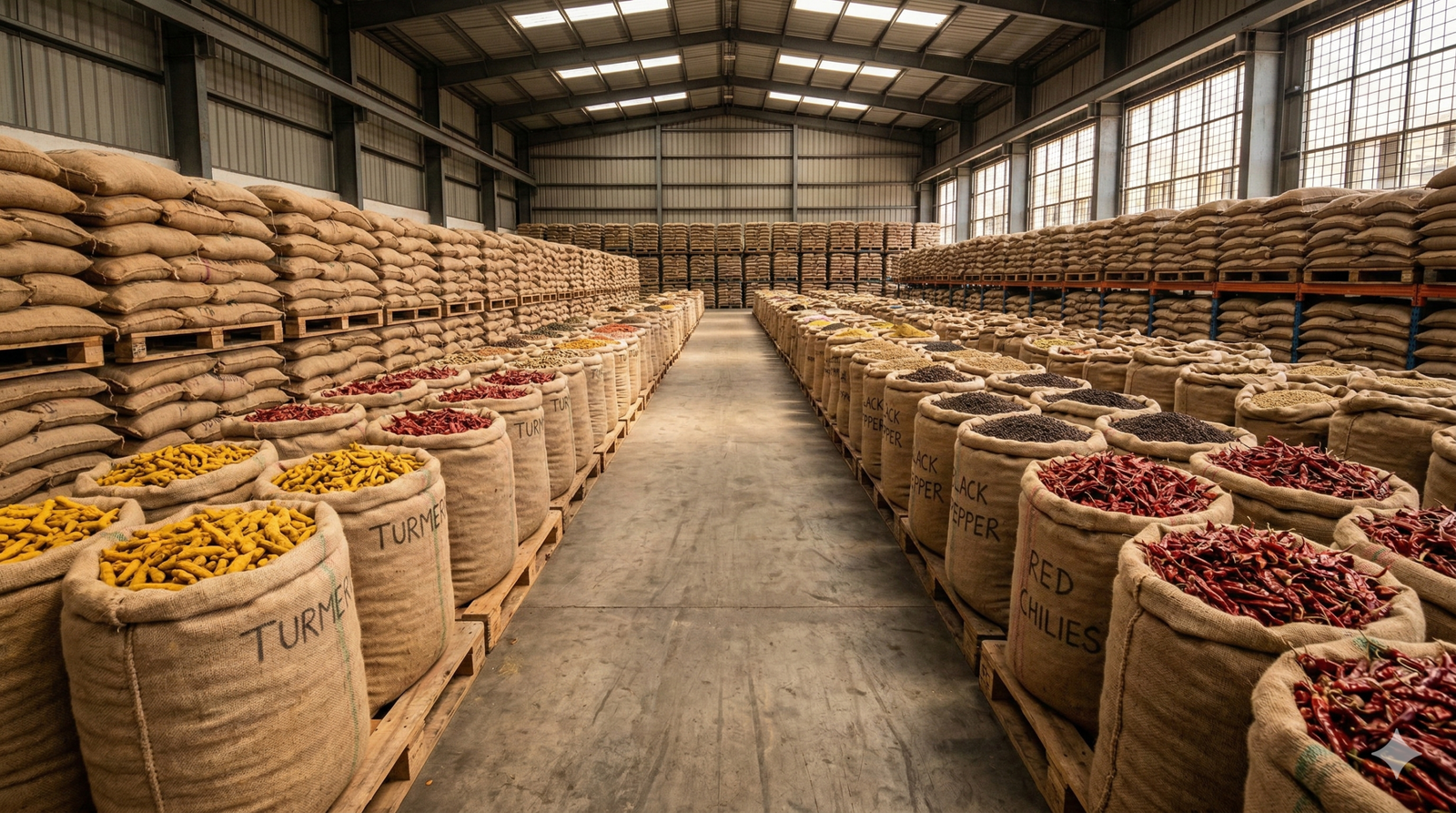
1. Abundant Raw Materials
India is one of the largest producers of:
- Spices (turmeric, cumin, chili)
- Rice and grains
- Pulses and legumes
- Fruits and vegetables
This ensures a steady supply of raw materials at competitive prices.
2. Cost-Effective Production
Labor and operational costs in India are significantly lower compared to Western countries, enabling importers to achieve better profit margins without compromising on quality.
3. Strong Food Processing Industry
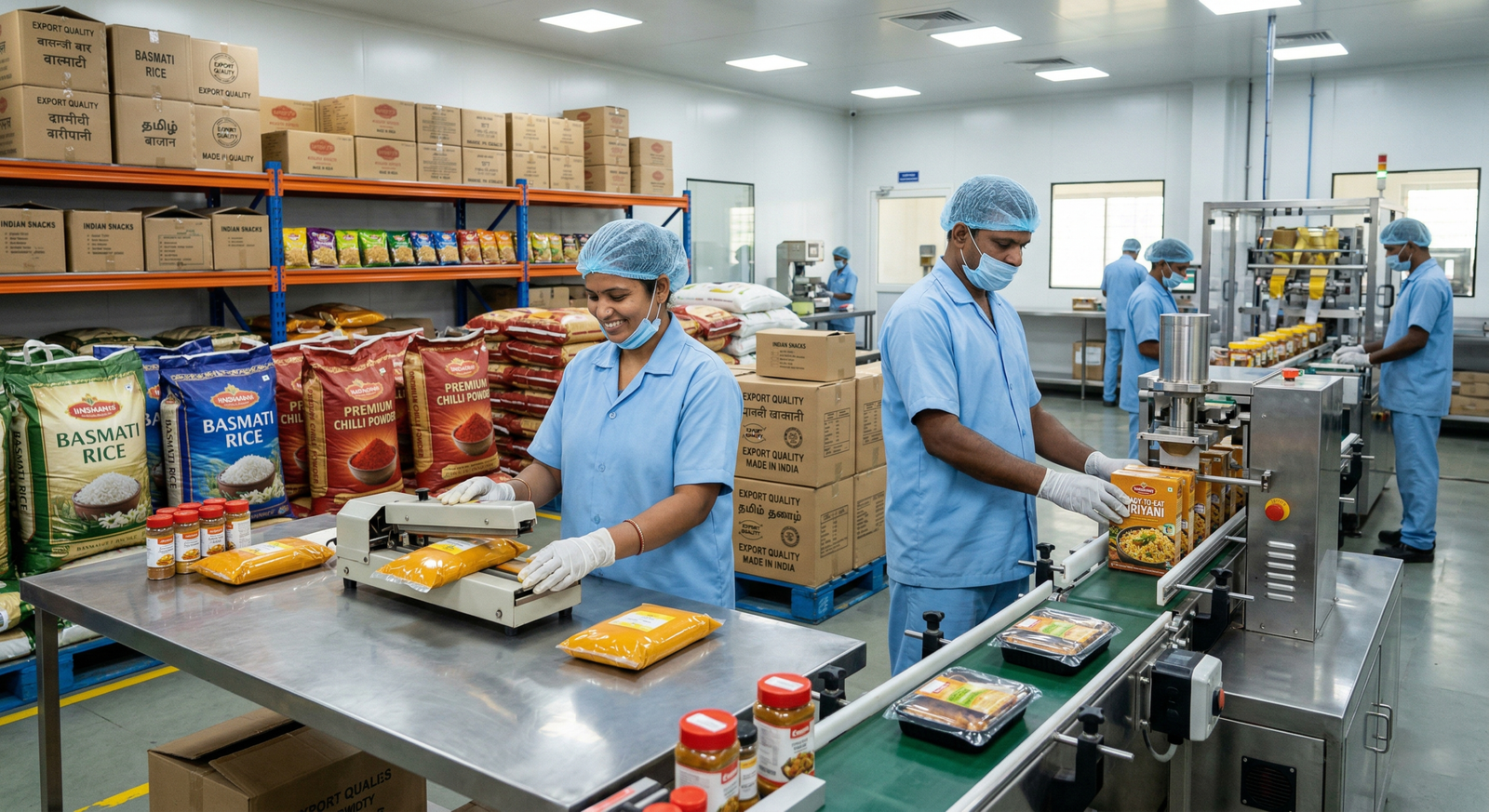
India’s food processing sector is rapidly modernizing, with many manufacturers adhering to international standards such as:
- HACCP
- ISO certifications
- FDA compliance (for exports)
4. Export Experience
Indian exporters are well-versed in global trade regulations, documentation, and logistics, making the import process smoother for international buyers.
Key Benefits for Global Importers
Private labeling food products from India offers several strategic advantages.
Higher Profit Margins
By eliminating intermediary brand costs, importers can enjoy significantly higher margins. They control pricing and can position products competitively.
Brand Ownership
Importers can build their own brand identity, which creates long-term value and customer loyalty.
Customization Options
Manufacturers often provide flexibility in:
- Packaging design
- Product formulation
- Flavor profiles
- Portion sizes
This allows importers to tailor products to their target market.
Scalability
As demand grows, production can be scaled efficiently without requiring additional infrastructure investment from the importer.
Popular Private Label Food Categories
Certain categories are particularly well-suited for private labeling due to high demand and ease of customization.
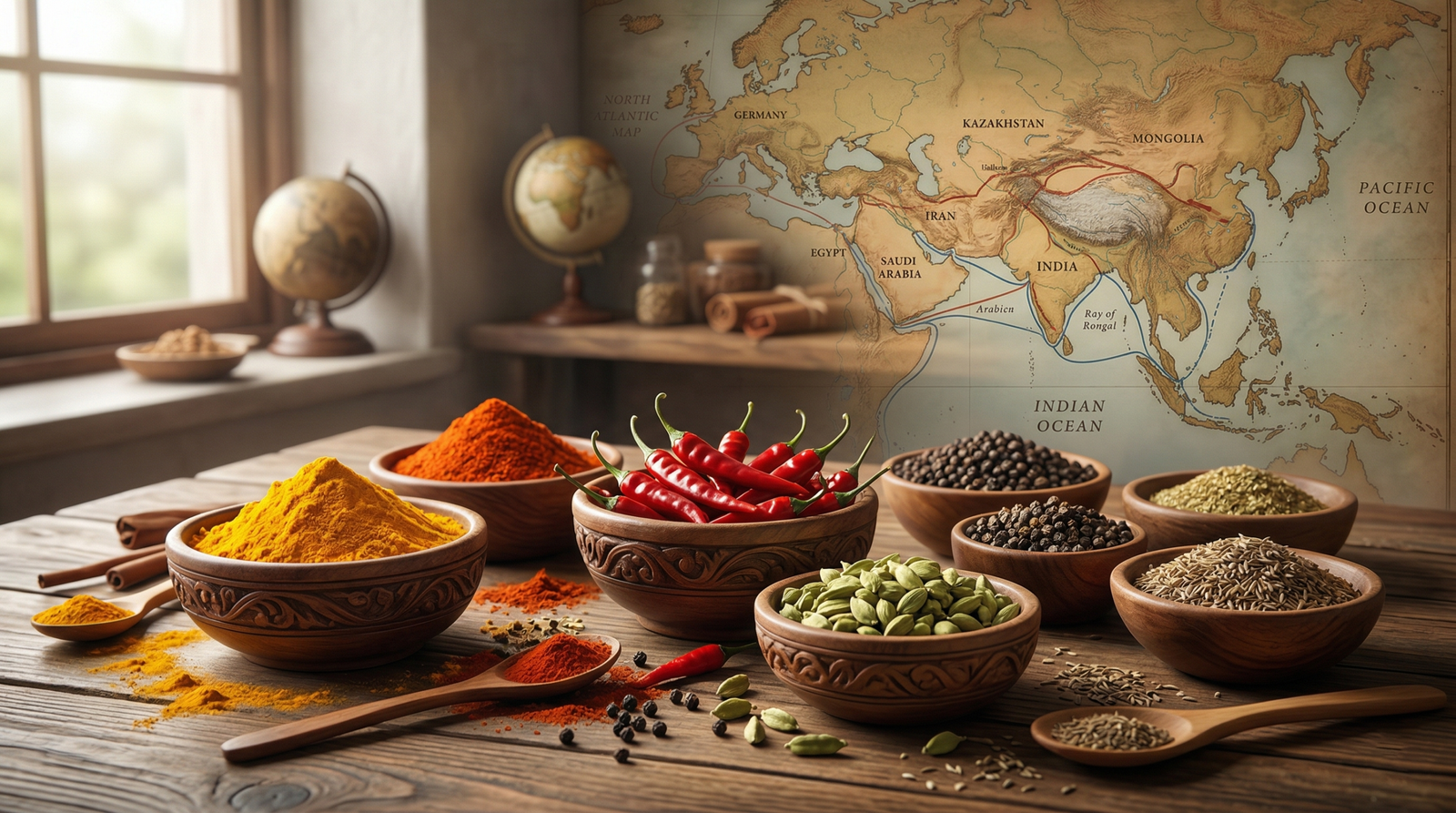
Spices and Seasonings
India’s spice industry is globally renowned. Private label opportunities include:
- Ground spices
- Spice blends
- Organic seasonings
Ready-to-Eat and Ready-to-Cook Foods
Convenience foods are booming globally. Popular options include:
- Instant curries
- Frozen meals
- Snack mixes
Organic and Health Foods
With increasing health awareness, products such as:
- Organic grains
- Gluten-free snacks
- Vegan food items
are in high demand.
Snacks and Confectionery
From traditional Indian snacks to modern fusion products, this category offers endless possibilities.
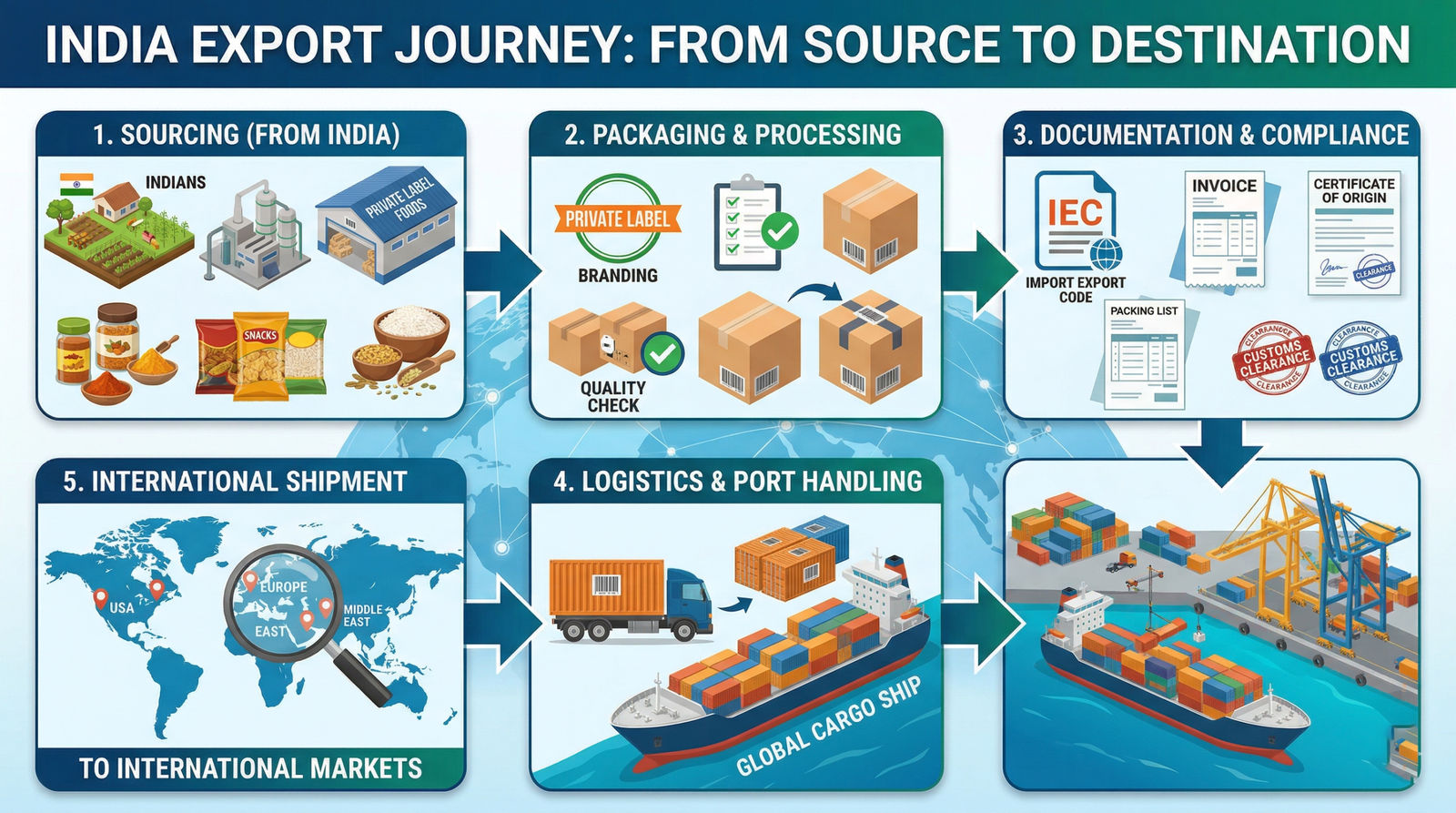
Steps to Start Private Label Importing
Entering the private label food business requires careful planning and execution.
1. Market Research
Understand your target audience:
- What are their preferences?
- What price points work?
- What trends are emerging?
2. Supplier Selection
Choose a reliable manufacturer with:
- Proven export experience
- Quality certifications
- Transparent communication
3. Product Development
Collaborate with the supplier to:
- Finalize recipes
- Test samples
- Ensure compliance with local regulations
4. Branding and Packaging
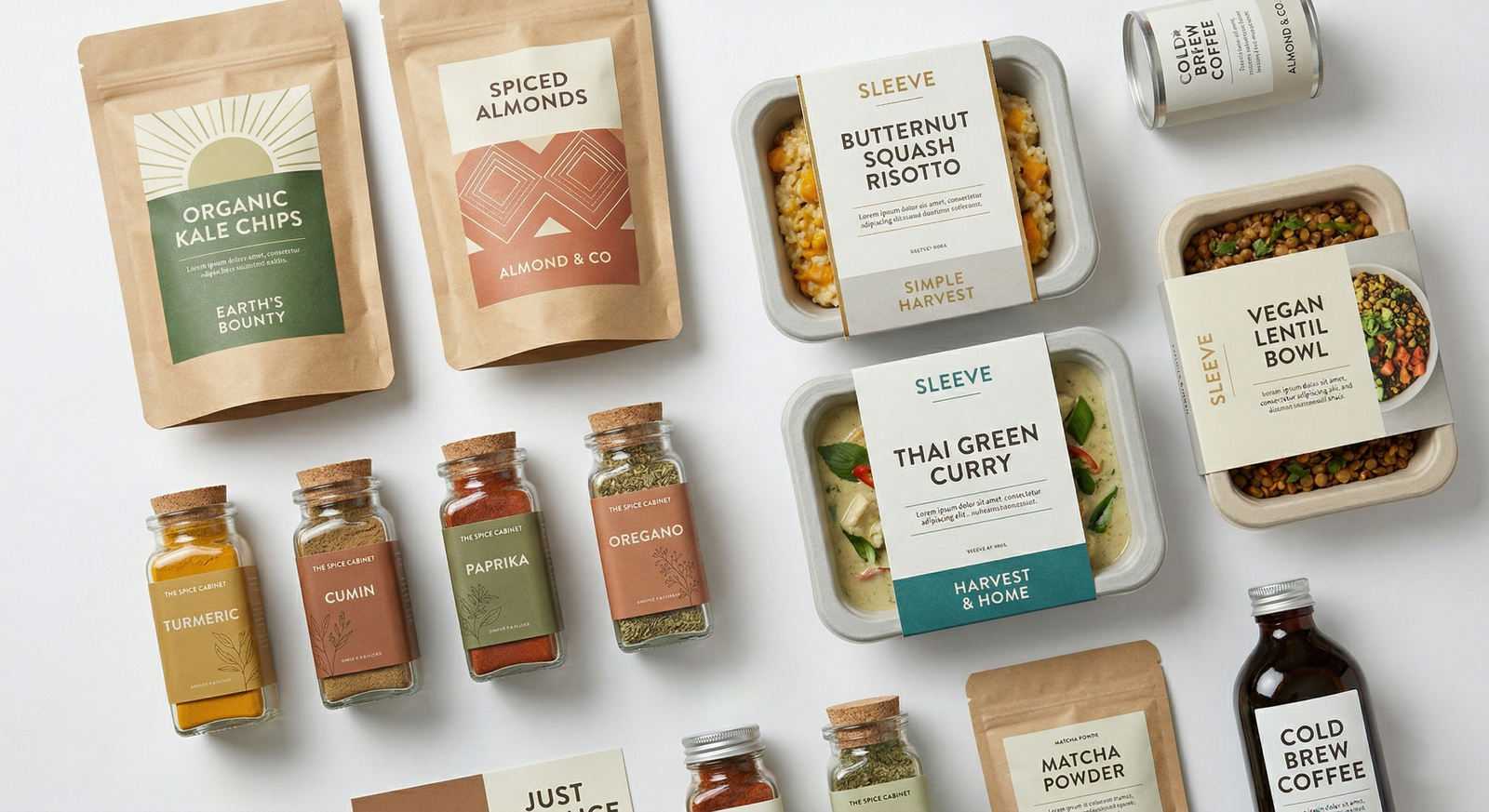
Invest in attractive, functional packaging that reflects your brand identity.
5. Logistics and Distribution
Plan shipping, customs clearance, and storage carefully to avoid delays and losses.
Compliance and Regulatory Considerations
Food imports are subject to strict regulations in most countries.
Key Areas to Focus On
- Labeling requirements (ingredients, nutritional facts)
- Food safety standards
- Import permits and documentation
- Shelf-life and storage conditions
Failure to comply can result in product rejection or legal issues, so it’s crucial to stay informed.
Challenges in Private Label Food Importing
While the opportunities are vast, importers must also navigate certain challenges.
Quality Control
Ensuring consistent quality across batches can be difficult without proper oversight.
Solution: Conduct regular audits and third-party inspections.
Communication Barriers
Time zone differences and cultural nuances may lead to misunderstandings.
Solution: Maintain clear documentation and regular communication channels.
Logistics and Delays
Shipping disruptions can impact supply chains.
Solution: Work with experienced logistics partners and plan buffer stock.
Market Competition
Private label markets are becoming crowded.
Solution: Focus on differentiation through quality, branding, and innovation.
Strategies for Success
To truly capitalize on private label opportunities, importers need a strategic approach.
Build Strong Supplier Relationships
Long-term partnerships lead to better pricing, priority production, and consistent quality.
Focus on Branding
Your brand is your biggest asset. Invest in:
- Storytelling
- Visual identity
- Customer engagement
Leverage Digital Marketing
Use online platforms to:
- Reach wider audiences
- Build brand awareness
- Drive sales
Innovate Continuously
Stay ahead of trends by introducing new products and improving existing ones.
The Role of Sustainability in Private Labeling
Modern consumers are increasingly concerned about sustainability.
Key Areas of Focus
- Eco-friendly packaging
- Ethical sourcing
- Reduced carbon footprint
Importers who prioritize sustainability can gain a competitive edge and build stronger customer trust.
Future Trends in Private Label Food Products
The private label industry is evolving rapidly, with several trends shaping its future.
Premiumization
Private labels are no longer just budget options; many are now positioned as premium products.
Health and Wellness
Demand for functional foods, organic products, and clean-label items continues to rise.
Technology Integration
From supply chain management to customer engagement, technology is transforming the industry.
Global Flavor Fusion
Consumers are exploring international cuisines, creating opportunities for unique product offerings.
Why Now Is the Right Time to Invest
The convergence of global trade, digital commerce, and changing consumer preferences makes this the perfect time to enter the private label food market.
Importers who act now can:
- Establish strong brand presence
- Capture market share early
- Build long-term profitability
India’s growing export capabilities further strengthen this opportunity.
Conclusion
Private label food products represent a powerful avenue for global importers to build profitable, scalable, and distinctive businesses. By sourcing from India, importers can leverage cost advantages, high-quality production, and a vast range of product options.
However, success in this space requires more than just sourcing products. It demands a strategic approach that includes careful supplier selection, strong branding, regulatory compliance, and continuous innovation.
As consumer preferences evolve and competition intensifies, those who invest in quality, sustainability, and brand identity will stand out. With the right execution, private labeling is not just a business model—it is a pathway to long-term growth and global market success.